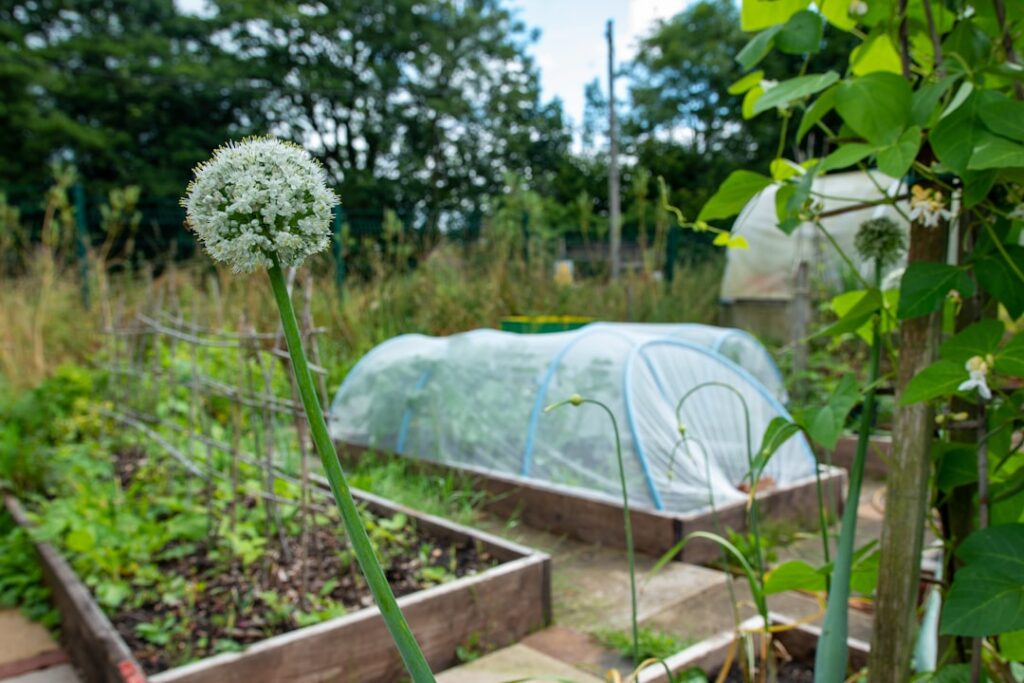
In 2026, choosing between raised bed and traditional gardening hinges on factors like yield, water use, and costs. Raised beds offer efficient water use and higher yields, while traditional methods remain cost-effective.
Introduction
Imagine standing in your garden, the sun warming your face, as you ponder the best approach to cultivate your plants. The choice between raised beds and traditional ground gardening has become more crucial than ever. As we delve into 2026, the impacts of climate change, particularly prolonged droughts and erratic rainfall, are reshaping gardening practices. This article unravels the complexities of these two gardening methods, focusing on yield, water demand, and costs. Whether you’re a seasoned gardener or a curious beginner, understanding these aspects will aid in making informed decisions for a thriving garden.
The Evolution of Gardening Techniques
Gardening, much like any other practice, has undergone significant transformations over the years. Traditional ground gardening, with its roots deep in history, has been the cornerstone of agriculture. However, as environmental challenges intensify, raised beds have emerged as a popular alternative. This method offers enhanced control over soil quality, drainage, and pest management. In 2026, the trend towards raised beds continues to grow, fueled by the need for sustainable and efficient gardening solutions. The shift is not merely about aesthetics but a response to the pressing need for resilient agricultural practices.
Raised beds, elevated structures filled with high-quality soil, offer a controlled environment that minimizes soil compaction and enhances root penetration. This setup contrasts with traditional methods, where soil quality can vary significantly. As Dr. Emily Green, a horticultural expert, notes: „Raised beds empower gardeners to transcend the limitations of native soil, offering a tailored growth medium for optimal plant health.” The evolution from traditional to raised bed gardening reflects a broader shift towards precision agriculture, where every input is meticulously managed to maximize output.
Comparative Analysis of Yield
When it comes to yield, the debate between raised beds and traditional gardening is as old as gardening itself. Raised beds typically offer higher yields due to their optimized growing conditions. The soil in raised beds is easier to amend, allowing for a nutrient-rich environment that boosts plant growth. Additionally, the raised structure improves drainage and aeration, reducing the risk of root rot and fungal diseases. In contrast, traditional gardening may struggle with compacted soil, which can impede root development and limit nutrient uptake.
However, traditional gardening has its merits, particularly in large-scale operations where the cost and labor of constructing raised beds can be prohibitive. In 2026, the decision between these methods often hinges on scale and available resources. For hobby gardeners, raised beds provide an approachable and manageable solution with the potential for impressive yields. On the other hand, commercial growers may lean towards traditional methods, balancing cost with output. It’s a dynamic interplay where context dictates choice, and both methods have their place in modern gardening.
Water Management Strategies
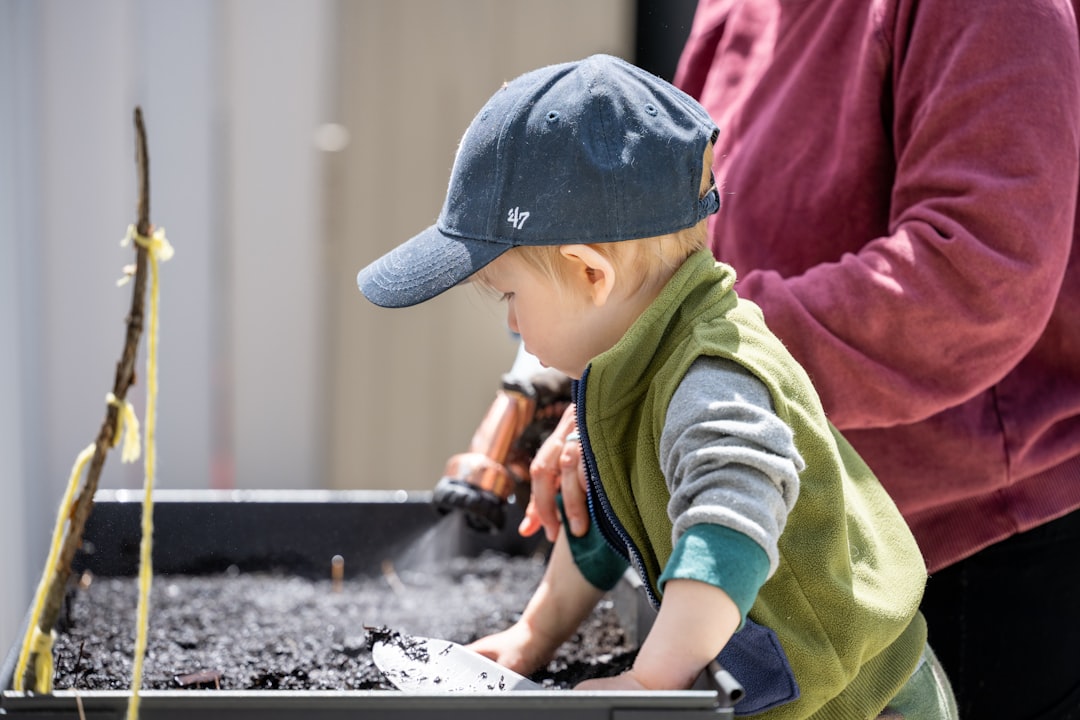
Water management has become a critical component of gardening, especially as climate change brings more extreme weather patterns. Raised beds excel in this area, offering superior water retention and drainage. The ability to integrate drip irrigation systems enhances water efficiency, ensuring that plants receive the right amount of moisture without wastage. In traditional gardening, water management can be more challenging, with uneven distribution often leading to over or under-watering.
The advent of modern irrigation systems in 2026 has revolutionized water management in raised beds. Automated watering systems, coupled with soil moisture sensors, ensure precision in water delivery, minimizing evaporation and runoff. This high-tech approach contrasts with the more labor-intensive methods required in traditional gardening, where manual watering is often necessary. A comparison of water needs highlights these differences:
| Method | Water Requirement | Efficiency |
|---|---|---|
| Raised Beds | 30-60% less water | High |
| Traditional Gardening | Higher water use | Variable |
Cost Implications in 2026
The financial aspect of gardening is a significant consideration for many. Raised beds, while initially more expensive due to construction and soil costs, offer long-term savings through reduced water use and higher yields. The initial investment can be substantial, especially when using quality materials and filling the beds with nutrient-rich soil. However, these costs are often offset by the increased productivity and reduced need for pest and disease management.
Traditional gardening, on the other hand, requires less upfront investment but may incur higher ongoing costs, particularly in water and pest control. In 2026, the choice between these methods often boils down to budget constraints and long-term goals. For those with limited resources, traditional gardening remains a viable and cost-effective option. However, for those willing to invest in sustainability and efficiency, raised beds offer a promising return on investment. As with any financial decision, careful consideration of the costs and benefits is essential to achieving a thriving garden.
Sustainability and Environmental Impact
Sustainability is at the forefront of gardening practices in 2026. Raised beds contribute to this goal by promoting efficient water use and reducing the need for chemical interventions. The controlled environment minimizes the risk of soil erosion and compaction, preserving soil health and biodiversity. Furthermore, raised beds can be designed to incorporate organic materials and natural pest control methods, aligning with ecological principles.
In contrast, traditional gardening may face challenges in sustainability, particularly in areas with poor soil quality or limited water resources. However, it remains an important method for large-scale agriculture, where the sheer scale of operations necessitates traditional approaches. The environmental impact of gardening methods is an evolving conversation, with both raised beds and traditional gardening offering unique contributions to sustainability. Ultimately, the choice between these methods depends on the gardener’s values and the specific environmental conditions they face.
Case Studies: Success Stories
Real-world examples provide valuable insights into the effectiveness of raised beds and traditional gardening. In urban areas, community gardens have thrived using raised beds, transforming concrete landscapes into vibrant green spaces. These gardens not only provide fresh produce but also foster community engagement and environmental awareness. The success of these initiatives underscores the versatility and adaptability of raised beds in diverse settings.
Conversely, traditional gardening continues to yield impressive results in rural areas, where space and resources allow for expansive cultivation. Farmers have developed innovative techniques to maximize yield and minimize resource use, demonstrating the enduring relevance of traditional methods. These case studies highlight the adaptability of both gardening approaches, showcasing their strengths and potential for success in various contexts. As we move forward, learning from these experiences will be crucial in shaping the future of gardening.
Future Trends in Gardening
Looking ahead, the future of gardening is shaped by technological advancements and environmental imperatives. In 2026, smart gardening solutions are becoming increasingly popular, integrating technology with traditional practices. Innovations such as precision irrigation systems, soil sensors, and automated climate control are transforming how we grow plants. These technologies offer unprecedented control over growing conditions, enhancing efficiency and sustainability.
Furthermore, there is a growing emphasis on biodiversity and ecosystem services, encouraging gardeners to create habitats that support pollinators and wildlife. The integration of native plants and organic practices is gaining momentum, promoting a holistic approach to gardening. As gardeners navigate this evolving landscape, the challenge lies in balancing innovation with tradition, ensuring that future practices remain rooted in ecological principles. The future of gardening is bright, filled with opportunities for creativity and stewardship.
As you stand at the crossroads of gardening methods, the choice between raised beds and traditional gardening in 2026 is more than a matter of preference. It involves weighing factors such as yield, water use, and costs, alongside sustainability considerations. Raised beds offer a path to efficient water use and higher yields, while traditional methods provide cost-effective solutions for larger scales. Ultimately, the decision rests on your unique circumstances and goals. Embrace the potential of both methods to create a resilient and bountiful garden.